
The common causes and treatments for heel pain
Heel Pain
Heel pain is one of the more common problems we see in clinic, and plantar fasciitis is often the first thing people think of. While plantar fasciitis is certainly a common cause, heel pain can present in several different ways and isn't always coming from the plantar fascia.
Common symptoms of heel pain
Some of the symptoms we commonly see include:
Pain underneath the heel, particularly with the first few steps in the morning
Pain after sitting for a period of time and then standing
A bruised or tender feeling underneath the heel
Pain that increases with longer periods of walking or standing
Heel pain that is worse when walking barefoot on hard floors
Pain around the back of the heel, particularly with certain shoes or activity
Tightness through the calf or Achilles tendon
Pain that changes depending on the footwear being worn
Discomfort that improves with movement initially but returns after prolonged activity
The location of the pain, when it occurs and what makes it better or worse can give us some useful information. This is why we don't simply assume that all heel pain is plantar fasciitis.
What causes heel pain?
There are several structures around the heel that can become irritated or overloaded. Plantar fasciitis is one of the more common causes, but we can also see issues involving the Calf muscles/Achilles tendon, fat pad, muscles and tendons of the foot and ankle, or the way the foot is functioning when you walk and load through the foot.
At Coorparoo Podiatry Centre, we take a structured approach to these types of cases. Rather than looking at the painful area in isolation, we assess how the foot and lower limb are functioning and what may be contributing to the problem.
Not all heel pain is the same
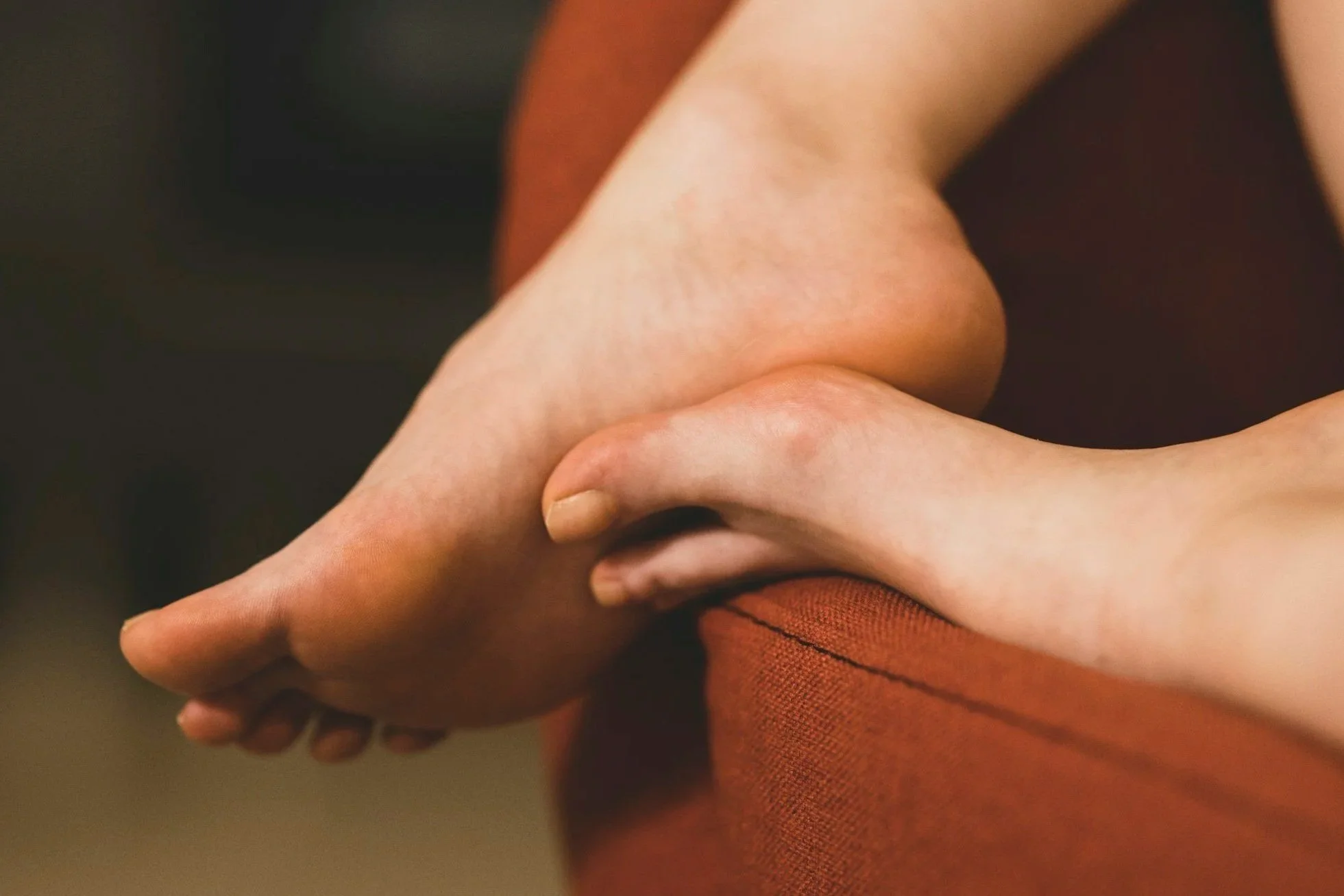
Plantar fasciitis is one of the most common causes of heel pain, but it isn't the only one. The location of your pain, what brings it on and how it behaves throughout the day can give us useful information about what may be causing the problem.
Some common conditions we consider include:
Plantar fasciitis / Fasciopathy
Usually causes pain underneath the heel, often towards the inside. A common feature is pain with the first few steps in the morning or after sitting for a period of time. It may ease as you move around but return with prolonged activity.
Plantar fascial tear
This is different from the more gradual onset of plantar fasciitis. A tear can occur following a sudden increase in load and may cause sudden, sharp heel pain, sometimes with bruising or swelling. It requires a different approach to a typical plantar fasciitis presentation.
Fat pad irritation
The Fat pad acts like a natural shock absorber underneath your heel. When it becomes irritated or overloaded, the pain is often felt directly in the centre of the heel and can feel similar to a bruise. Walking barefoot or on hard surfaces may make it worse.
Achilles tendinopathy
This affects the Achilles tendon at the back of the ankle and heel. Pain is usually felt at the back of the heel and may become worse with running, jumping, stairs or increased activity. The tendon can also feel stiff, particularly after periods of rest.
Calcaneal stress fracture
A stress fracture of the heel bone can develop following a significant increase in walking, running or other weight-bearing activity. Pain tends to progressively worsen with activity and may eventually be present even when resting. This type of injury requires appropriate assessment and, where indicated, imaging.
Tarsal tunnel syndrome / nerve irritation
Irritation or compression of a nerve around the inside of the ankle can cause heel or foot pain. Unlike typical plantar fasciitis, symptoms may include burning, tingling, pins and needles or numbness.
Retrocalcaneal bursitis
A bursa is a small fluid-filled structure that helps reduce friction between tissues. Irritation of the bursa around the back of the heel can cause pain, tenderness and sometimes swelling around the Achilles tendon. It may be particularly noticeable when wearing shoes that press against the back of the heel.
Sever's disease
This is a common cause of heel pain in growing children and adolescents. It is related to irritation around the growth plate at the back of the heel and is often worse during periods of increased sporting activity. It generally settles as the growth plate matures, but activity modification and appropriate treatment can help manage symptoms.
These conditions can have some overlapping symptoms, which is why the location of the pain and the way it behaves are important. If your heel pain isn't behaving like a typical case of plantar fasciitis, we look more closely at the other possible causes rather than simply treating every heel pain problem the same way.
The way we approach heel pain at Coorparoo Podiatry will be different for every case. Our number one concern is giving our patients practical, evidence-based treatment that offers relief in the short term, while treating the cause of the pain for long-term results. Some of our treatments for heel pain include:
Biomechanical assessment
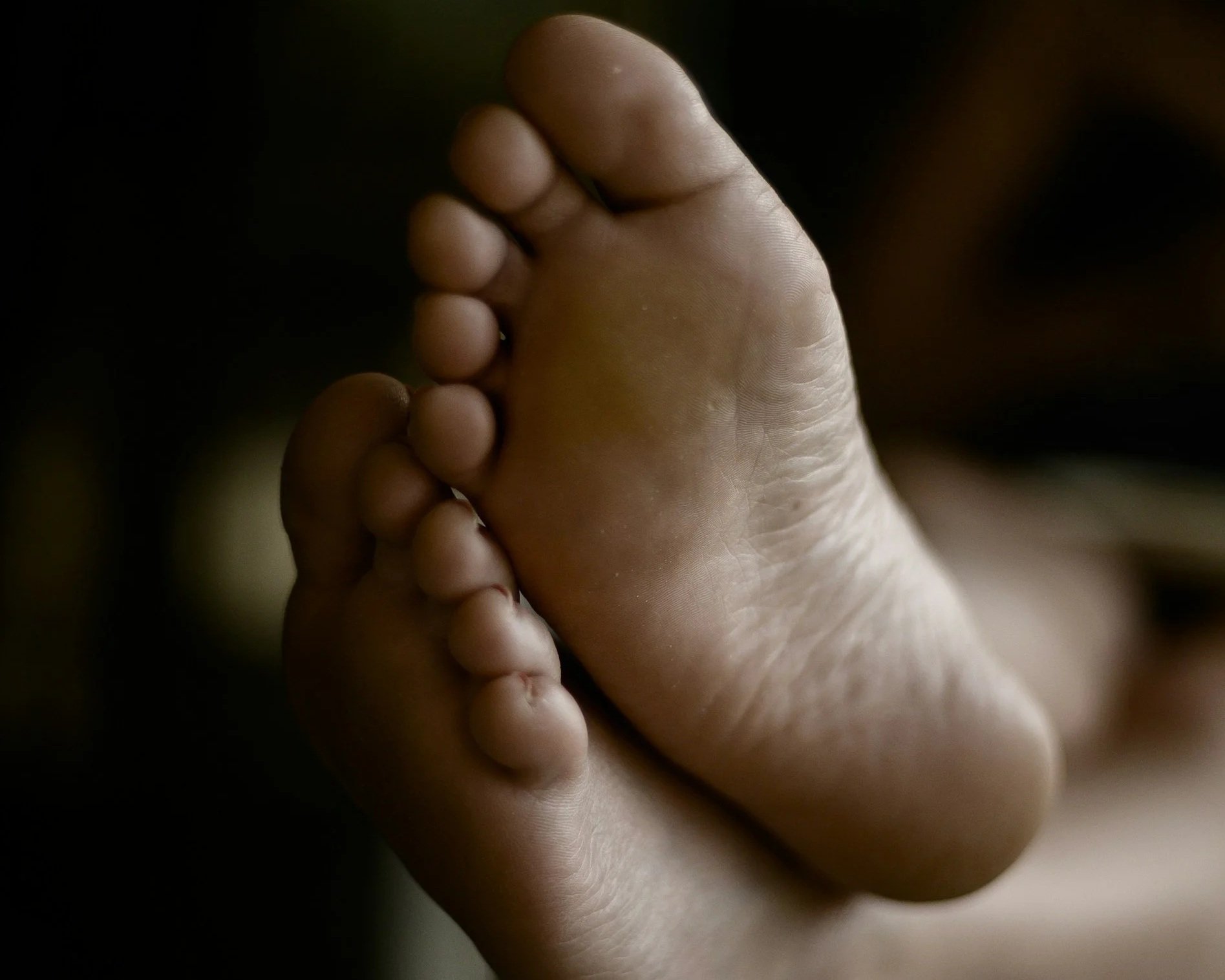
We look at how the foot and lower limb move, how you load through the foot and whether there are any factors that may be contributing to increased stress around the heel. We can also refer for imaging that may be required for further investigation.
Pain relief, taping, padding and offloading
Taping and padding can provide excellent pain relief straight away and change the way load is distributed through the foot. We also have specific braces, heel cups and compression socks that may help with your pain, as well as tips and tricks around pain relief and hot and cold therapy.
Exercise & Physical Therapy
We may prescribe a personalised exercise program targeting the calf, foot and lower limb. The aim isn't simply to stretch the painful area, but to gradually improve the strength and capacity of the structures involved. We can also provide hands on therapy including mobilisation and dry needling.
Footwear assessment
The shoes you wear every day can make a big difference. We look at the type of footwear you are using, how it fits and whether the shoe is appropriate for your foot and the activities you do or lifestyle you are living. In some cases, simple shoe modifications can also be useful.
Custom foot orthoses
For some patients, custom foot orthoses can be useful where additional support or changes to how the foot loads are required. They aren't necessary for everyone, which is why we assess whether they are appropriate for you or your circumstances.
When should you have your heel pain assessed?
If heel pain has been hanging around, is affecting your walking or exercise, or keeps returning whenever you increase your activity, it is worth having it assessed.
The good news is that we can often make sense of what is happening once we look at the whole picture. Understanding where the pain is coming from, what is contributing to it and how the foot is functioning allows us to put together a treatment plan that is specific to you.
If you're dealing with ongoing heel pain, our team at Coorparoo Podiatry Centre can assess the problem and work with you on a personalised treatment plan that suits you and your lifestyle.
For any further enquiries or to arrange an appointment time, please don’t hesitate to contact us on 3397 2193 or via email at reception@cpodc.com.au.